What a fractional head of design does (and what it doesn't)
Mohammad OwaizProduct Design
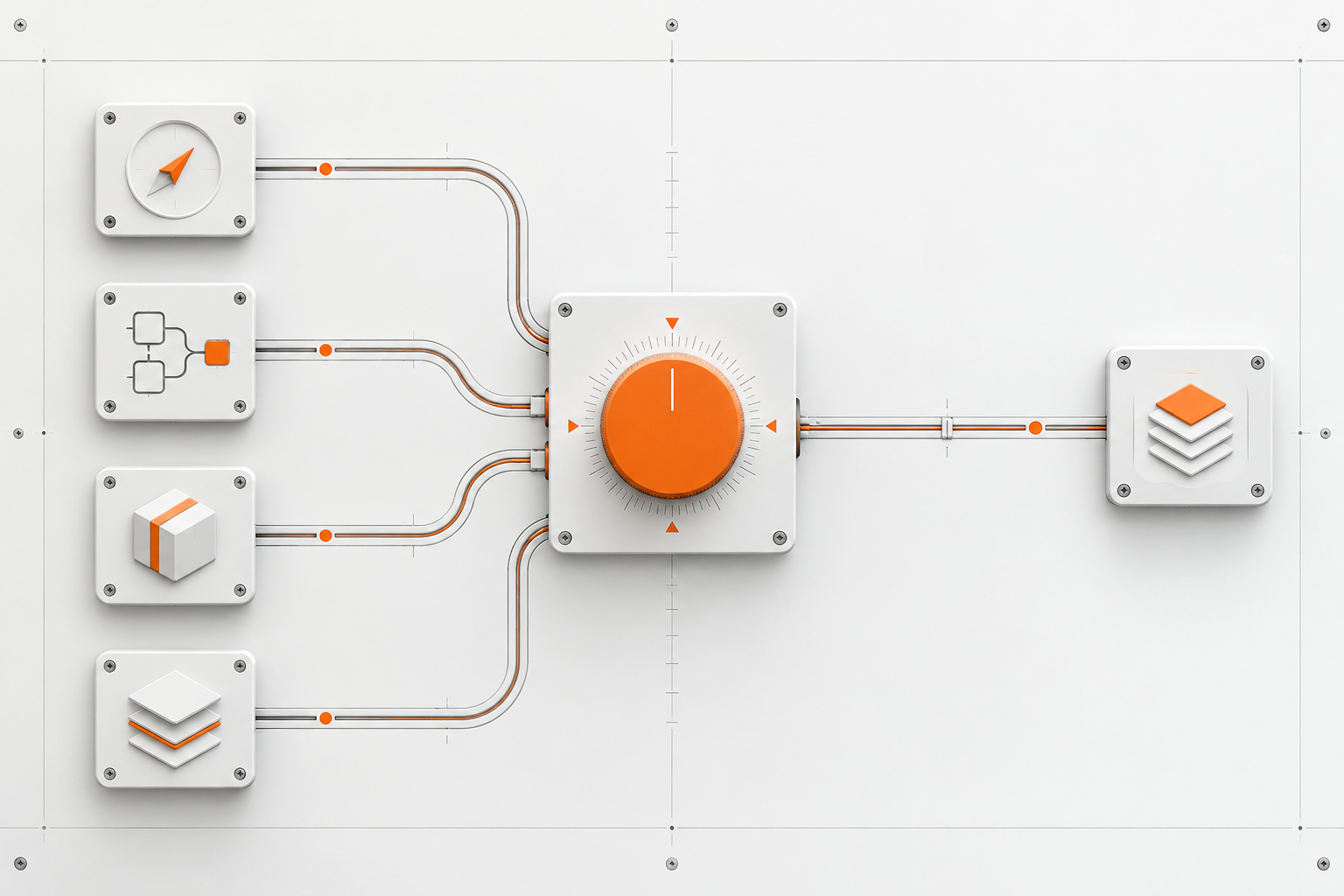
Most startups don't need a head of design yet. They need the decisions a head of design would make.
That gap is where the fractional role lives. It's also where most of the confusion about it starts.
Founders hear "fractional head of design" and picture one of two things. A senior designer working part-time. Or an advisor who joins a call every other week and says the button should be bigger. Neither is the job.
The job, in one sentence
A fractional head of design owns the product and design decisions your team keeps postponing, part-time, until you're ready for someone to own them full-time.
The word that matters is owns. Not reviews. Not suggests.
What it looks like in practice
Every early product reaches one of two moments.
You have a vision, but not a product. You can pitch it in two minutes. Your engineers need it as two hundred decisions. Who is the first user? What do they see on day one? What happens when the data is empty? Without someone deciding, the engineer holding the ticket decides.
You have a product, but it's drifting. Each module made sense when it shipped. Together they behave like separate companies. Three date pickers, two names for the same thing, and a settings page nobody wants to touch.
A fractional head of design walks into either moment and does four things:
- Decides what the product should be. The product model, the priority workflows, the words you use for things.
- Designs the parts that matter most. Not every screen. The ones your customers judge you by.
- Works with your engineers until it ships. Design that dies in a handoff file was never design.
- Turns repeated decisions into a system. Patterns, components and rules your team, and its coding agents, can keep using after I've moved on to the next problem.
What it isn't
It isn't a production queue. If the direction is settled and you need more screens per week, hire a designer. That's a different job, and it's a cheaper one.
It isn't a decorative refresh. New colors on a confusing product give you a confusing product in new colors.
It isn't a replacement for engineers. I work in the codebase when it helps carry the design through. I don't stand in for the team that builds it.
It isn't forever. The best fractional engagement ends with a team that needs me less.
Fractional, full-time or agency?
Hire full-time when the role is clear and the need is daily. Hiring, managing people and long-term ownership of a design team are full-time work.
Hire an agency when you need many disciplines in parallel and someone else to coordinate them.
Go fractional when you need senior judgment now, before you know exactly what the permanent role looks like. That's most companies between their first product and their first design hire.
When to bring one in
You probably need one if:
- Engineers keep asking you how something should work, and you're the only one who can answer.
- Customers understand your pitch better than your product.
- Every new feature reopens an argument you thought was settled.
- You've shipped fast and the product now feels like several products.
You probably don't if your existing designer already owns these decisions and just needs more hands.
How I work
I've designed software since 2014 and co-founded Cone, a YC S22 company. These days I work as a fractional head of design for founder-led teams building complex software, usually B2B SaaS. Engagements start with one priority workflow and the decisions behind it.
If that sounds like where your product is stuck, here's how we can work together. Or look at the work first.
Your team can build fast. Someone still has to decide what's worth building.